
Summer across Europe is a season marked by tourism, factory shutdowns, festivals, and an overall uptick in economic activity. From the busy ports of Rotterdam and Hamburg to road networks stretching through Italy, France, and Central Europe, freight and logistics operations face a unique set of challenges during these warmer months.
For businesses relying on consistent delivery timelines and cost-effective transport, failing to prepare in advance can result in unexpected delays, reduced service availability, and missed opportunities.
That is why early planning is a necessity. Whether you’re moving goods within one country, shipping across borders, or managing complex pan-European supply chains, a proactive shipping strategy ensures your business stays ahead of seasonal disruptions and continues to meet customer expectations without compromise.

Why Summer Shipping in Europe Requires Special Planning
Seasonal Traffic and Road Congestion
With the surge in tourist travel and local holidaymakers, road congestion increases significantly during summer. This affects:
- Transit times for road freight across key routes
- Access to major ports
- Local deliveries within city centres due to festival-related road closures
Tip for shippers: Factor in longer lead times and plan for alternative routes where possible.
Higher Demand for Freight Transport
Summer is peak season for several industries, increasing the overall volume of freight moving across the region. Key contributors include:
- Agricultural exports
- Retail and e-commerce shipments for seasonal product lines
- Event and festival logistics, including equipment and perishables
This rise in demand can lead to limited carrier availability and higher shipping rates if bookings are not made in advance.
Delays Due to Festivals and Public Holidays
Many European countries observe extended public holidays and annual industrial shutdowns in summer, many of which impact freight movement. These include:
- National celebrations
- Major cultural events, music festivals, and trade fairs
- Temporary business closures affecting suppliers and warehouses
These occasions can cause:
- Temporary business closures
- Reduced customs and warehouse staffing
- Delays in last-mile delivery services
Pro tip: Mark key dates in advance and adjust your freight calendar accordingly.
Weather and Infrastructure Impact
Summer in Europe may be milder than in southern regions like the Middle East, but heatwaves and roadworks still impact logistics. Common issues include:
- Asphalt road damage or closures due to maintenance
- Heat-related restrictions for certain cargo types
- Port congestion, especially during seasonal imports and exports
These disruptions can affect both land and sea freight routes, requiring flexible logistics planning.
By understanding these seasonal challenges and adjusting your logistics strategy, you can minimise disruptions and keep your business operations running smoothly during the summer months.
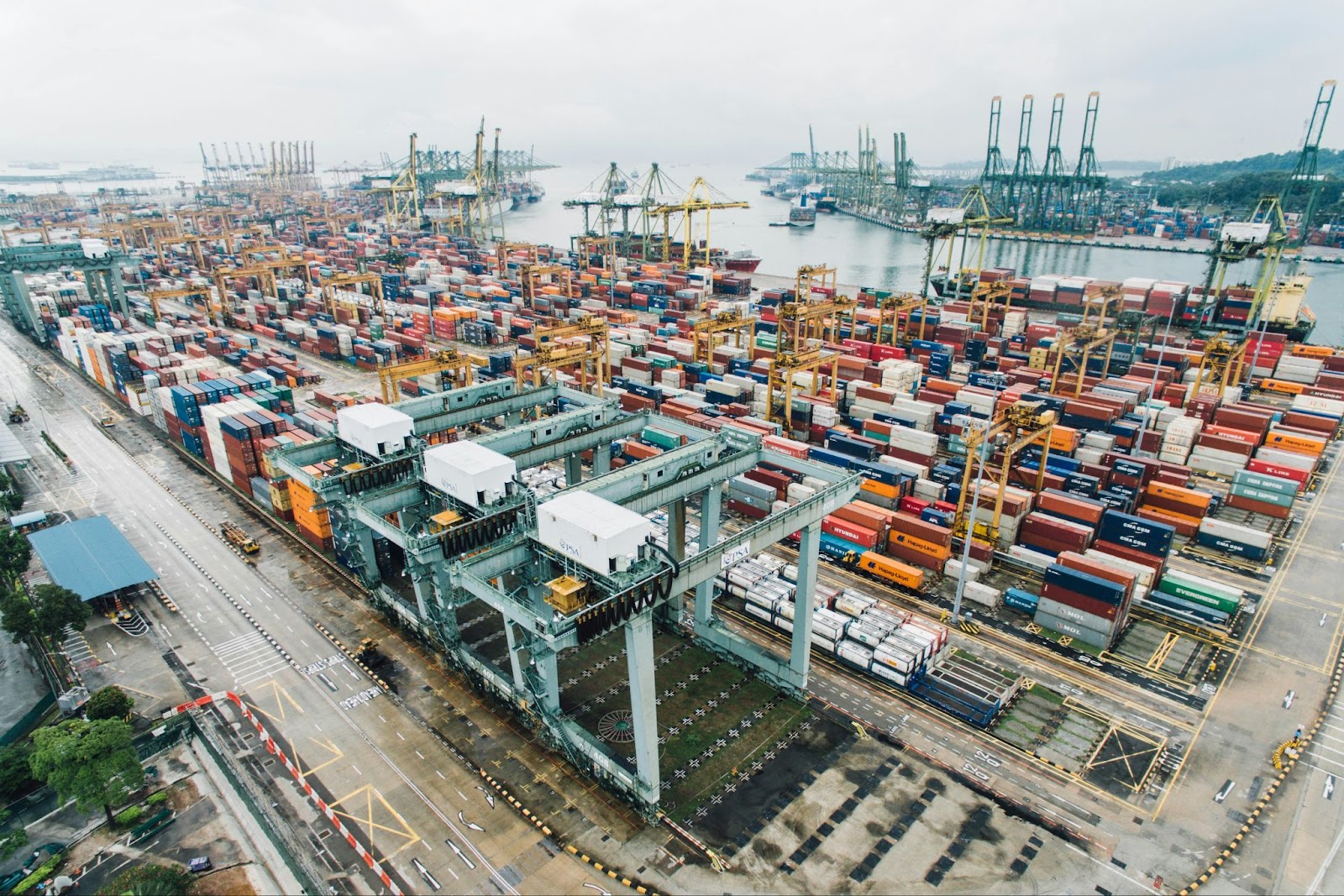
Key Challenges for Businesses During the Summer Months
Across Europe, the summer period combines increased demand with reduced operational capacity, creating a perfect storm for potential delays. Let’s take a closer look at the biggest challenges that can disrupt shipping during the warmer months.
Carrier and Warehouse Availability Shrinks
The combination of increased shipping volume and limited logistics infrastructure can result in bottlenecks. Carriers book up fast, especially on high-demand routes, and warehouse space, particularly near ports and city hubs, can be hard to come by.
If you do not plan ahead, you may find yourself paying a premium for basic services or scrambling to find capacity at the last minute.
Summer Staff Shortages Can Slow Everything Down
With a large portion of the workforce taking holidays, many logistics teams operate at reduced capacity in July and August. This affects:
- Loading and unloading schedules
- Internal processing speeds
- Communication with logistics providers
These delays ripple through the supply chain, making it even more important to confirm timelines early and double-check partner availability.
Customs and Cross-Border Shipments Take Longer
International shipments across European borders—including those involving non-EU countries like Switzerland, Norway, and the UK—often face longer wait times in summer. Even though customs offices remain open, their staffing may be reduced, leading to slower clearance processes and longer queues.
This is especially relevant for businesses moving goods between manufacturing hubs in Southern Europe and markets in Northern or Eastern Europe.
Transport Slots Become Competitive
Summer is a busy season for many industries, including agriculture, retail, and event logistics—and they all compete for the same limited transport resources. Whether it’s last-mile delivery trucks or long-haul freight solutions, slots can fill up quickly.
The earlier you book, the more flexibility you retain in your delivery schedules, and the less likely you are to be bumped or delayed.
Top Tips to Plan Your Shipping in Advance
To stay ahead of the summer freight rush in Europe, businesses need more than good intentions. Here are five practical and proven ways to optimise your logistics strategy and avoid costly delays during the peak season.
1. Book Early—Ideally 2 to 4 Weeks in Advance
This is the single most effective way to secure reliable shipping in summer. Carrier capacity in Europe gets snapped up quickly—especially for high-demand routes and cross-border shipments.
Booking early not only ensures availability, it also helps you lock in better rates before seasonal pricing spikes.
2. Share Volume Forecasts with Your Freight Partner
Your logistics provider cannot prepare for what they do not know. If you expect a spike in orders, new stock arrivals, or special shipments during the summer, inform your provider early.
By communicating your seasonal freight volume expectations, you enable smoother planning, capacity allocation, and fewer last-minute surprises.
3. Align Your Schedule with Summer Holidays and Events
Public holidays can disrupt freight timelines across Europe. Add to that local festivals and port closures, and the margin for error becomes thin.
Take time to build a delivery calendar that avoids these bottlenecks. It could save you days of delay, especially for time-sensitive cargo.
4. Stay Flexible with Multimodal Transport Options
Sometimes the road is not the best way. During high-traffic periods or when road freight is at capacity, consider integrating rail or sea freight into your strategy.
Multimodal transport can increase resilience, reduce risk, and improve cost-efficiency for regional and international shipments.
5. Embrace Freight Tracking and Digital Tools
Modern logistics is powered by data. By using freight tracking platforms, live route updates, and digital scheduling tools, you can gain better visibility across your supply chain.
It also allows for faster decision-making when routes change or delays arise, especially useful when navigating European summer traffic and port congestion.
Smart shipping during the summer is all about being prepared, flexible, and informed. In the next section, we’ll show how RIX Freight helps clients stay ahead of seasonal disruptions with reliable, transparent, and technology-driven logistics support.
How RIX Freight Helps You Prepare for the Summer Rush
At RIX Freight, we understand that the summer season presents both opportunities and challenges for businesses that rely on seamless shipping. That is why our logistics solutions are built around flexibility, transparency, and forward planning—ensuring your cargo moves efficiently even during peak periods.
Smart Route Planning and Real-Time Freight Tracking
Delays can happen, but with real-time tracking and smart route optimisation, you always know where your shipment is and when it will arrive. Our tracking tools give clients full visibility and allow us to proactively respond to road congestion, port delays, or changes in delivery schedules.
Flexible Capacity Across Europe
Whether you’re shipping within one country or managing cross-border deliveries across the continent, RIX Freight offers flexible transport capacity. We help you secure the right solution, including full truckload (FTL), groupage (LTL), or express deliveries (based on your seasonal needs and delivery timelines).
Dedicated Account Support and Proactive Communication
We believe in staying ahead of potential issues, not reacting to them. That is why every client benefits from dedicated account support and proactive communication from our logistics team. From discussing volume forecasts to adjusting timelines around European holidays and shutdowns, we work with you to make sure your supply chain stays uninterrupted.
Transparent Service You Can Rely On Even During Peak Season
Our clients choose RIX Freight because we offer more than transport: we offer clarity, consistency, and trust. Even during the busiest months of the year, our commitment to transparency ensures:
- Clear timelines and pricing
- Honest updates about potential risks or delays
- A logistics partner who takes accountability
Shipping during summer does not have to be complicated. With RIX Freight, you gain a reliable partner who helps you plan ahead, adapt to changes, and keep your business moving without disruption.
By understanding the seasonal challenges and working with an experienced logistics partner, your business can navigate summer disruptions with confidence. Whether you need full-load transport, flexible delivery options, or clear communication throughout the process—RIX Freight is here to help.
Get in touch with RIX Freight today to plan your summer logistics strategy and avoid delays
 English
  Norwegian
  Finnish
  Swedish
  Lithuanian
  Spanish
  Italian
  Latvian
  German
  Estonian
  French
  Ukrainian
  Russian
  Polish