
Transporting dangerous goods is a highly regulated process. It requires precision, compliance and specialist knowledge since there are strict rules to follow to ensure safety. It is a legal requirement for businesses that ship dangerous goods across Europe to understand their responsibilities. It is essential for protecting people, the environment and the company’s reputation.
The risks are very real. Industry reports show that a cargo fire occurs on a container ship roughly once every nine days and undeclared or misdeclared dangerous goods are one of the main causes. These fires can lead to huge financial losses, supply chain disruption and in the worst cases, serious harm to people and the environment.
This challenge is growing as global trade and e-commerce expand. Products such as lithium batteries, aerosols, chemicals and pharmaceuticals are being shipped in larger volumes than ever before. While these goods are essential, they also fall under strict safety requirements. That is why businesses need to prepare carefully and work with experienced logistics partners who know how to handle dangerous goods correctly.

What Are Considered Dangerous Goods?
In short, dangerous goods are items or substances that could endanger people, property, or the environment during transportation.
Common examples include:
- Lithium batteries (used in electronics and vehicles);
- Fuels, oils and flammable liquids;
- Aerosols and compressed gases;
- Chemicals such as acids or solvents;
- Paints and adhesives;
- Infectious or toxic substances;
- Pharmaceuticals containing hazardous substances.
Many everyday products fall into this category. Items such as perfumes, paints, cleaning agents and aerosols are classed as dangerous goods, even though they are widely used in homes and businesses. Many companies ship these products without realising they require special handling and documentation.
ADR – The European Standard
In Europe, the transportation of dangerous goods by road is governed by the ADR (European Agreement concerning the International Carriage of Dangerous Goods by Road). The agreement sets classification, packaging, labelling, documentation and training requirements. All businesses involved in the supply chain (from shippers to carriers) must comply with ADR to ensure shipments are legally and safely transported.
ADR groups dangerous goods into nine classes, each covering different types of risk. Each class has its own packaging, labelling and documentation requirements, ensuring that the risks are clearly communicated and properly managed during transport.
- Explosives – fireworks, ammunition, blasting agents
- Gases – compressed, liquefied or dissolved gases such as propane, butane, and oxygen
- Flammable liquids – fuels, solvents, alcohols, paints
- Flammable solids – matches, sulphur, certain metal powders
- Oxidising substances and organic peroxides – hydrogen peroxide, bleach, fertilisers
- Toxic and infectious substances – certain chemicals, medical waste, some pharmaceuticals
- Radioactive material – medical isotopes, nuclear industry products
- Corrosives – acids, alkalis, battery fluid
- Miscellaneous dangerous substances and articles – lithium batteries, magnetised materials, environmentally hazardous substances
The ADR agreement is updated every two years to reflect new risks, technologies and best practices. Businesses that regularly handle or transport dangerous goods must stay up to date with these changes to remain compliant and avoid fines.
Why Dangerous Goods Require Special Handling
Dangerous goods can create risks during transport if not handled correctly, such as fire, explosion, toxic exposure or environmental contamination. Because of this, international and European laws require strict procedures for packaging, labelling, and documentation.
Failure to comply can lead to significant consequences such as fines from regulatory bodies, delays or refusal of shipments at borders and ports, increased safety risks for drivers, handlers and the public, as well as reputational damage and potential legal liability for the company.
Client and Carrier Responsibilities
Client Responsibilities
When preparing dangerous goods for transport, clients have several key obligations:
Correct Labelling and Documentation
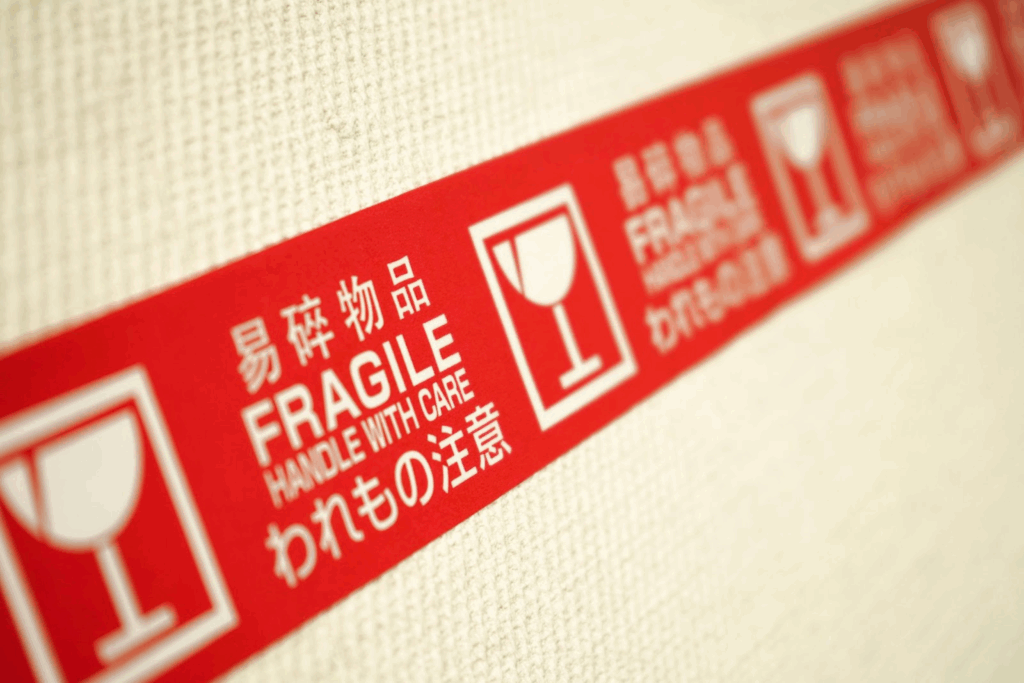
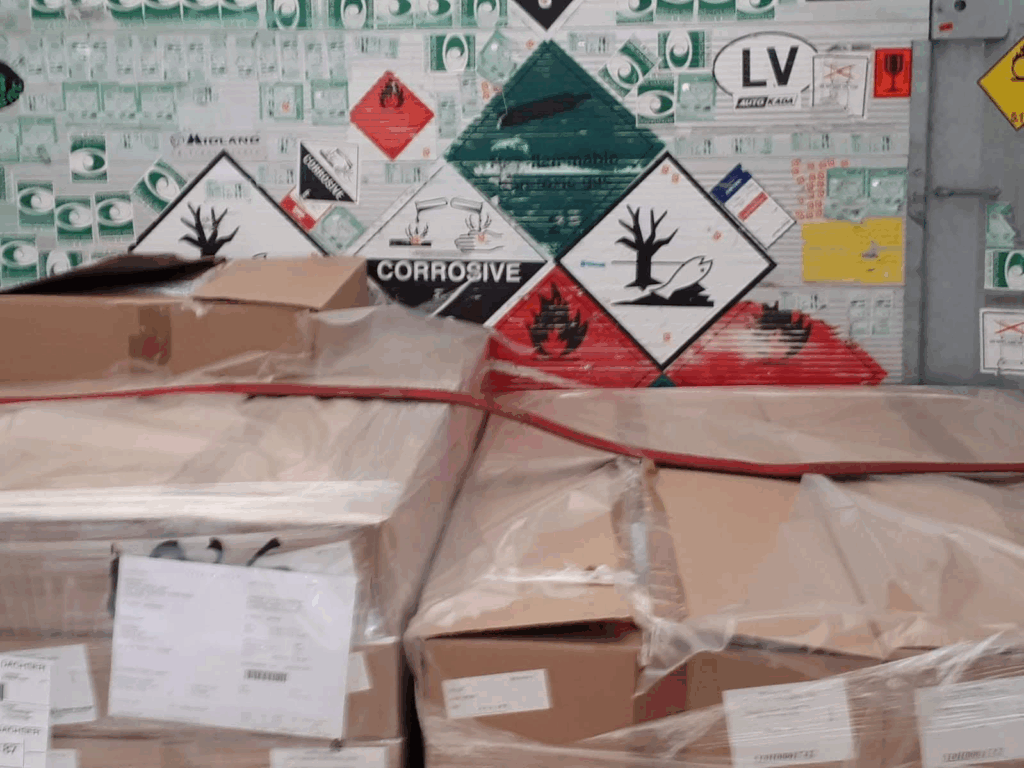
Each shipment must be accompanied by dangerous goods declarations and clearly display hazard labels, UN numbers and handling instructions. Missing or incorrect labels can cause delays or fines.

Packaging Requirements
Dangerous goods must be packaged in approved containers that meet ADR standards. Packaging must be strong enough to withstand handling and prevent leaks, spills or contamination.
Safety Data Sheets (SDS)
Every dangerous goods shipment must have an up-to-date Safety Data Sheet, providing essential details about the substance, its risk, and how to handle it in case of emergency.
Declaration
Shippers are legally responsible for declaring goods fully and accurately in shipping documents and CRM. If goods are incorrectly packed or declared, and the carrier receives a fine, the liability passes from the carrier to the client, and from the client to the shipper. Attempting to ship hazardous items as general cargo is a serious offence and may lead to additional liability for accidents or incidents during transit.
Fulfilling these responsibilities is the client’s first safeguard against delays, penalties, or safety risks. By ensuring accurate documentation, compliant packaging, and transparent declarations, clients lay the groundwork for a shipment that is both secure and efficient.
Carrier Responsibilities
While clients are responsible for correct preparation, carriers have their own obligations. These include:
Licensing and Training
Only carriers with trained and certified drivers are legally permitted to move dangerous goods.
Compliance with ADR Regulations
Vehicles, equipment and procedures must meet ADR safety standards.
Secure Handling and Transport
Carriers must ensure the goods are loaded, secured and transported safely to minimise risk during transit.
In short, through certified training, ADR compliance, and secure handling, carriers must ensure that dangerous goods move seamlessly across the supply chain, protecting both people and cargo.
The safe movement of dangerous goods is a shared responsibility. When both clients and carriers fulfil their obligations, the result is a safe, efficient and compliant supply chain that minimises risks and protects everyone involved.
Common Mistakes to Avoid
Despite the regulations, businesses still make preventable mistakes and errors when shipping dangerous goods. The most frequent include:
- Undeclared Goods: Failing to declare hazardous items to save time or cost can result in severe penalties and shipment rejection.
- Unreliable Packaging: Using non-compliant or poor-quality packaging increases the risk of accidents.
- Missing or Incorrect Paperwork: Missing SDS documents, incorrect labels, or incomplete declarations are among the top reasons for shipment delays.
- Improper Labelling: Applying the wrong hazard symbols or failing to mark packages correctly creates confusion and non-compliance issues.
- Failing to Communicate with Carriers: Lack of clear communication with logistics partners about the type, volume or handling requirements of dangerous goods can result in delays or safety risks.
- Ignoring Local or International Regulations: Dangerous goods regulations vary by country and transport type. Overlooking these can cause shipment detentions or fines.
Avoiding these mistakes is crucial for maintaining compliance and ensuring smooth transport. A single oversight can lead to penalties, delays or even serious safety risks. By staying informed, properly training your team and working with a certified logistics partner experienced in dangerous goods, businesses can prevent errors and guarantee that shipments arrive safely, securely and on time.

How to Prepare for a Smooth Shipment
The key to successful dangerous goods shipping is preparation. Companies can reduce risks and delays by following a structured approach. We prepared a checklist to make sure you stay compliant and avoid unnecessary complications:
Checklist:
- Confirm that your goods fall under dangerous goods classifications
- Prepare up-to-date Safety Data Sheets (SDS)
- Use ADR-compliant packaging and labelling
- Verify that packaging is tested and approved for the specific type of goods
- Apply the correct hazard labels and transport markings
- Complete accurate declarations and documentation
- Find a certified logistics partner with proven experience in handling dangerous goods shipments
- Communicate clearly with your logistics provider about the nature of the goods
By following this checklist, you minimise risks, protect your supply chain and ensure your shipment arrives safely and on time. The right preparation not only keeps you compliant with regulations but also builds trust with your clients and partners. If you work with an experienced logistics provider, shipping dangerous goods becomes a safe, efficient, and stress-free process.
Partnering for Compliance and Safety
Transporting dangerous goods may sound complex, but with the right knowledge and a trusted logistics partner, it becomes an easily manageable process. Businesses that understand their responsibilities and work with experienced carriers can avoid costly mistakes, reduce risks and keep their supply chains running smoothly.
At RIX Freight, our team is fully trained and licensed under ADR regulations. With certified drivers, specialist equipment and strict safety procedures, we provide reliable support for businesses moving hazardous cargo. Our experience covers a wide range of industries—from manufacturing and chemicals to retail and e-commerce—across the UK and Europe. We ensure every shipment meets legal standards while keeping your operations on track.
If your company handles dangerous goods, we can do more than just transport them. Contact RIX Freight today to ensure your business is fully prepared; and let us help you move dangerous goods safely, legally and on time.
 English
  Norwegian
  Finnish
  Swedish
  Lithuanian
  Spanish
  Italian
  Latvian
  German
  Estonian
  French
  Ukrainian
  Russian
  Polish