
International trade links markets, businesses, and communities across the world, creating countless opportunities for growth. Smooth movement of goods remains at the heart of this process, and this is where international shipping and logistics come into focus.
Understanding the essentials of international shipping helps any organisation map out a reliable supply chain. This field covers an immense range of processes, from container transport and customs procedures to freight consolidation, warehousing, packaging standards, cargo tracking, transport insurance, and the management of multimodal journeys. A modern supply chain depends on accurate planning as well as the ability to react quickly when circumstances change.
We explore how RIX Freight and other logistics providers support cross-border transport through a wide range of modern freight solutions, offering a clear look at they structure their work, the key considerations involved, and practical insights for businesses evaluating international logistics options.
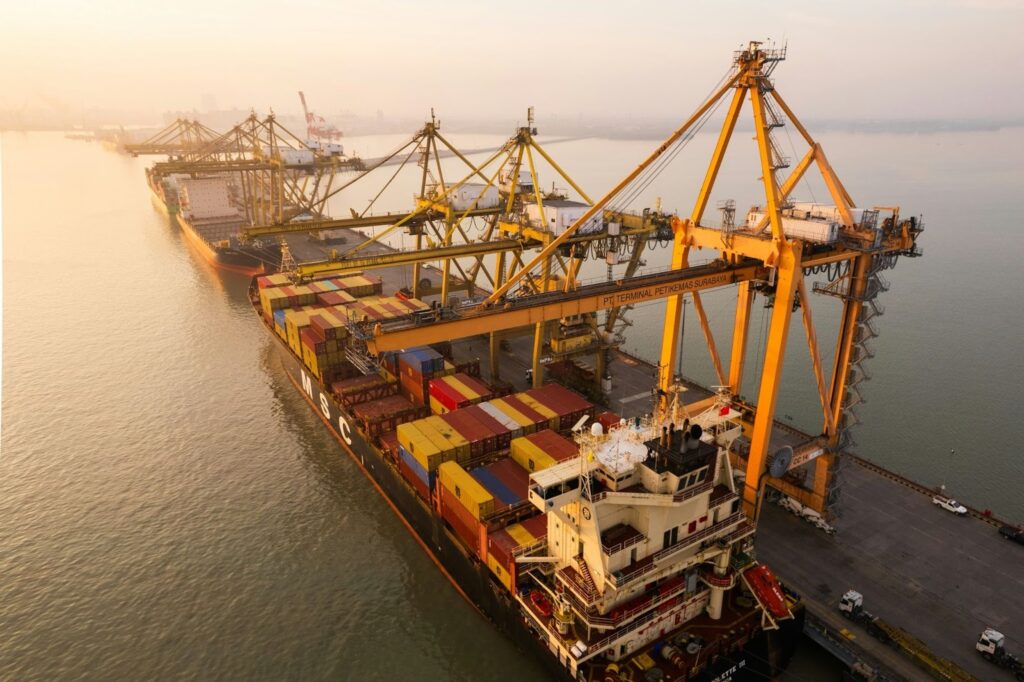
The Foundations of International Shipping
International shipping companies handle transport between countries using sea, air, road, and rail networks. Each mode serves a different purpose:
- Sea freight handles large volumes efficiently.
- Air freight delivers speed for urgent or high-value goods.
- Road transport provides essential access across regions.
- Rail services support stable inland routes.
The choice of transport depends on budget, urgency, cargo type, political climate, and global trade routes. Shippers evaluate all of these factors carefully to design a route that reduces risk and maintains predictable transit times.
Standardisation plays a key role in this environment. From container sizes to labelling rules, standard practices ensure that cargo is handled safely as it passes through ports and terminals. According to UNCTAD’s Review of Maritime Transport, over 80% of global trade volume is carried by sea, making these standards critical. If goods are packed, declared, and documented correctly, they move through international checkpoints with fewer delays. Failing to follow these requirements can lead to penalties, unexpected storage fees, or missed connections.
Customs clearance forms another major part of the process. Every shipment must comply with import and export regulations, which vary between countries. Shipping agents and customs brokers help prepare the necessary documentation such as commercial invoices, packing lists, certificates of origin, and declarations for controlled goods. Correct paperwork avoids unnecessary inspections and keeps goods flowing steadily.
Understanding Global Freight Solutions
Logistics companies design global freight solutions that bring all parts of the supply chain together (e.g., cross-border transport, coordinated planning, carrier selection, cargo consolidation, document preparation). This ensures that clients receive structured assistance across each stage of international movement.
These freight solutions may involve more than a single mode of transport. Many shipments today rely on multimodal networks where goods move seamlessly from vessel to truck or rail. Coordination between carriers and terminals allows freight forwarders to build smooth transitions across borders and continents.
Cargo consolidation also sits at the centre of global logistics:
- Less-Than-Truckload (LTL): goods from several shippers are combined into a single container, helping reduce individual transport costs.
- Full Truck Load (FTL): larger shipments receive dedicated space with route planning tailored to the client’s supply chain.
Tracking technologies strengthen freight planning. These tools include:
- GPS systems
- Digital cargo platforms
- Integrated logistics software
Real-time data helps identify potential delays early and supports more accurate delivery scheduling.
The Role of Logistics in a Globalised World
International logistics goes beyond transport alone. It links procurement, warehousing, distribution, compliance, and coordination across multiple countries. Every step must align with timelines, budgets, and regulatory frameworks.
Global supply chains often stretch across several continents and involve numerous partners: suppliers, carriers, freight forwarders, customs officials, warehouse operators, and local distribution centres. Communication between these parties keeps goods on track and reduces the risk of disruptions.
Many businesses choose to work with logistics partners who understand international trade regulations. This is increasingly important as the shipping industry faces pressure to decarbonise: UNCTAD’s 2023 report reveals that shipping emissions have risen by 20% in the last decade, and regulators are pushing for stronger action. Each country sets its own standards for labelling, product safety, environmental requirements, and duty classifications. Failure to comply can halt shipments or add significant costs. Knowledgeable logistics teams help navigate these rules efficiently.
Sustainability has also become an important focus. Shipping companies adopt fuel-efficient vessels, apply route-optimisation software, and explore carbon-reducing options. Clients in turn increasingly seek carriers and logistics partners demonstrating environmental responsibility. This trend encourages the entire sector to work towards greener, more energy-efficient practices.
Flexible Logistics Options
Modern supply chains demand a high degree of adaptability. Shippers require logistics solutions suited to the characteristics of their cargo. This may involve:
- Temperature-controlled transport
- Protective packaging for fragile items
- Rapid air transport for sensitive or high-value goods
Service providers offer a wide selection of transport methods, storage options, and delivery plans. Some shipments demand long-term warehousing with phased distribution; others move directly from supplier to customer with minimal handling. Many freight companies therefore offer the option to customise transit times, consolidation levels, routing preferences, and delivery methods.
The range of solutions extends to project cargo as well. Heavy machinery, oversized loads, and industrial equipment often require special vehicles, escorts, lifting gear, and route assessments. Skilled logistics planners evaluate road restrictions, port limitations, and local regulations before building a route suitable for large or complex cargo.
Flexibility also reflects the way businesses operate. Seasonal demand, sudden market shifts, and changes in production can influence shipping volumes. Logistics providers adapt capacity as needed, scaling warehouse space or securing additional carrier slots during peak periods.
Technology Transforming the Supply Chain
Digital innovation reshapes international logistics with remarkable speed. Modern systems support automated booking, document digitisation, route analysis, and predictive forecasting. These tools allow businesses to estimate arrival times more accurately and identify the best transport options for each shipment.
Artificial intelligence contributes to risk analysis. By studying weather forecasts, port congestion, political events, and carrier performance, AI helps logistics planners anticipate disruptions. Machine-learning algorithms can recommend alternative routes or predict when additional capacity may be required.
Digital documentation simplifies customs procedures. Electronic bills of lading, digital signatures, and online declarations reduce delays caused by manual paperwork. Governments across the world invest in updated customs systems to speed up import and export processes.
Tracking platforms also offer improved transparency. Clients can observe the movement of their goods in real time and receive notifications about any changes. This level of visibility builds confidence and supports proactive decision-making.
Key Considerations When Planning International Shipments
Businesses preparing for overseas transport face several important choices. These include:
Cargo type and handling requirements
Different goods require specific packaging methods, temperature conditions, and protection from movement. Proper preparation prevents damage and ensures compliance with transport rules.
Transit time expectations
Selecting the right mode of transport depends heavily on deadlines. Air freight moves quickly but costs more. Sea freight offers value for large volumes but takes longer. A careful balance between speed and budget usually delivers the best result.
Insurance
Global transport carries risks such as rough seas, handling damage, or weather-related delays. Cargo insurance offers vital protection and helps companies recover quickly if an unexpected event affects their shipment.
Regulatory understanding
Each destination applies unique restrictions and documentation rules. Planning ahead helps avoid customs delays and fines.
Carrier reliability
Partnering with dependable carriers reduces the likelihood of missed connections and helps maintain steady supply chain performance.

Ready to Optimise your Freight Strategy?
International shipping and logistics broaden trade opportunities and give businesses access to global markets. Companies offering freight solutions support these activities by connecting transport networks and coordinating the movement of goods worldwide. Understanding the available logistics options empowers organisations to design stronger, safer, and more efficient supply chains. As global trade evolves, these services continue to adapt, delivering dependable support for international transport from planning to delivery.
Get in touch with RIX Freight today for tailored advice and a personalised quote to ensure your next international shipment runs smoothly.
 English
  Norwegian
  Finnish
  Swedish
  Lithuanian
  Spanish
  Italian
  Latvian
  German
  Estonian
  French
  Ukrainian
  Russian
  Polish